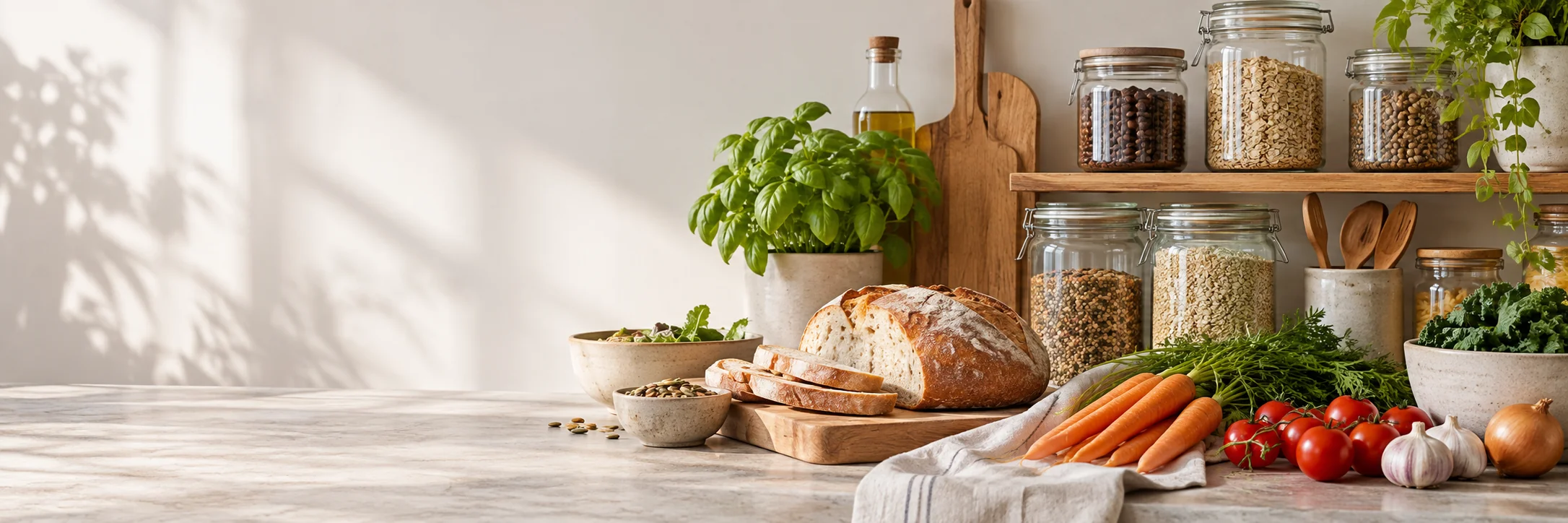
The food and drink department's pantry range includes coffee in two common forms: whole beans sold by the kilogram and capsules for single-serve machines, alongside chocolate drink capsules. Both can produce a good cup, but they suit different habits. This guide explains the words on the pack, how roast and bean type affect flavour, and what to check before buying so that the coffee matches your machine and your taste.
Beans or capsules
Whole beans are ground just before brewing, which preserves aroma and gives control over strength, grind and dose. They suit bean-to-cup machines, espresso machines with a grinder, and filter or moka pot methods when ground to the right size. A 1 kg bag works out cheaper per cup for regular drinkers, but it needs to be used while still fresh. Capsules are convenient, produce consistent results with little cleaning, and offer many flavours in measured portions, but each cup uses packaging and the capsule format limits you to the machine system it fits.
Arabica and robusta
The two main species behave differently. Arabica generally gives sweeter, more aromatic cups with fruit, floral or nutty notes and moderate acidity, with lower caffeine. Robusta is more bitter and earthy, with a heavier body, more crema and roughly double the caffeine. Many espresso blends combine the two, and the label may give a percentage split. A pack labelled 100 percent arabica is aimed at a lighter, more nuanced cup; a blend with some robusta tends to produce a stronger, thicker espresso that holds up well with milk.
Roast level
Roasting changes both flavour and bean structure. Light roasts keep more of the origin character and acidity. Medium roasts balance sweetness and body. Dark roasts taste of caramel, cocoa or smoke, with less acidity and sometimes an oily surface. Dark does not mean more caffeine; the difference is small and goes the other way if measured by scoop rather than by weight. Roast terms are not standardised, so use them as a rough guide and rely on the tasting notes for confirmation.
Reading the label
- Roast date or best-before date: beans taste good within a few weeks of roasting. A roast date is more informative than a best-before date alone.
- Origin: single-origin coffee comes from one country or region and shows its local character. A blend combines several origins to hold a steady taste from batch to batch.
- Strength scale: many brands print a number from 1 to 12 or a five-point scale. These are not comparable between brands. Use them only inside one range.
- Tasting notes: words such as chocolate, hazelnut or citrus describe aroma, not added flavouring. Check the ingredients if you want only coffee.
- Certification marks: logos for organic, Fairtrade or similar schemes indicate that the producer met that scheme's criteria. They say nothing about taste.
- Net weight and number of capsules: compare cost per cup, not per pack.
Matching beans to your machine
Bean-to-cup machines have grinders designed for dry beans, and very oily dark roasts can leave residue in the grinder and the brew unit. Check the manual for guidance. Flavoured beans, which have oils or sugars added, are usually discouraged in automatic machines. For manual espresso, a fine, even grind and a fresh medium or medium-dark roast are common starting points. For filter coffee, a coarser grind and a lighter roast are typical. Store beans in an airtight container away from light, heat and moisture; avoid keeping the bag in the fridge, where condensation can form.
Choosing capsules
Capsules are not interchangeable between systems. Before buying, identify the exact capsule type of your machine, for example a named proprietary format, a Nespresso-compatible format, or paper pods. Compatible capsules from other makers are produced for some systems, but check the packaging for the compatibility statement for your machine type. Capsule sizes correspond to drink sizes, so look for the volume in millilitres, such as ristretto at about 25 ml, espresso at about 40 ml and lungo at about 110 ml. Aluminium capsules are often recyclable where local schemes accept them; plastic and compostable types follow different rules, so check what your local collection takes.
Chocolate drink capsules work on the same principle but contain cocoa and milk powder or similar ingredients. Check the ingredient list for allergens, especially milk, soy and nuts, and for sugar content if that matters to you.
Allergens and dietary notes
Plain coffee contains no major allergens, but flavoured and chocolate products and shared production lines may. Read the allergen statement on the pack. Caffeine content varies by species, roast and method; people who are pregnant, sensitive to caffeine or advised by a doctor to limit it should follow that advice.
Pre-purchase checklist
- Confirm the machine type: bean-to-cup, espresso with grinder, or a specific capsule system.
- Choose arabica or a blend according to preference for sweetness or body.
- Pick a roast level and read the tasting notes.
- Look for a roast date and consider how quickly you will use the bag.
- Check capsule compatibility on the pack, and drink volume.
- Compare cost per cup across pack sizes.
- Read the allergen and ingredient lists.
 Furniture and interiorHow to Choose an Armchair
 Perfume and cosmeticsHow to Choose a Women's Perfume
 Kitchen and householdHow to Choose a Frying Pan
 ToysHow to Choose a Board Game
 ComputersHow to Choose a Computer Mouse
 Diy and toolsHow to Choose a Cordless Drill Driver
 Clothing shoes and accessoriesHow to Choose a Men's T-Shirt or Polo Shirt
 Health and beautyHow to Choose a Home Blood Pressure Monitor
 Tv audio and videoHow to Choose a TV: OLED, QLED, Size and Specs Explained
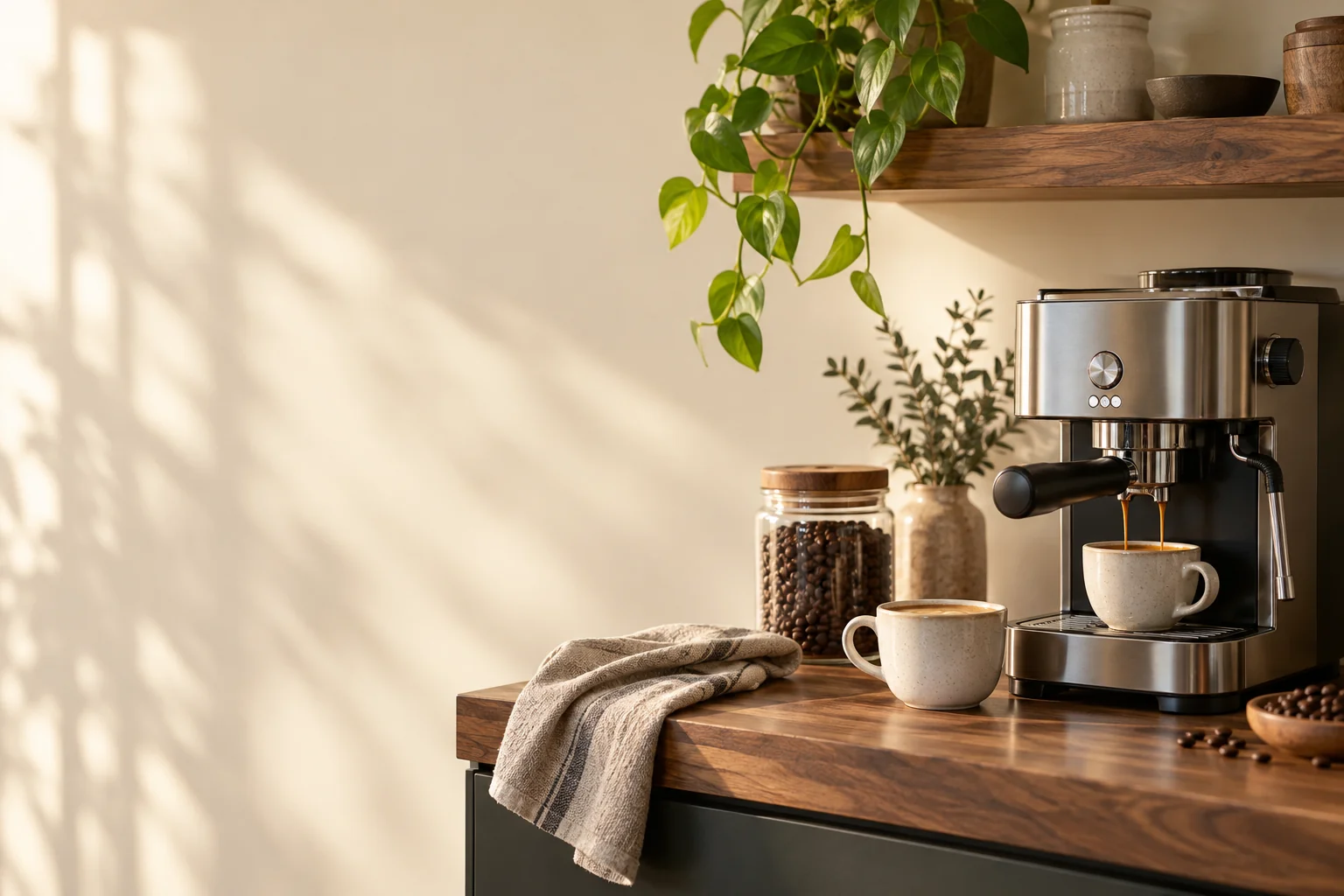 Home appliancesHow to Choose an Automatic or Capsule Coffee Machine
 Sport and outdoorsHow to Choose a Treadmill or Walking Pad
 GardenHow to Choose a Lawn Mower: Petrol or Electric, Push or Self-Propelled
 Plumbing heating and climateHow to Choose a Tower, Desk or Handheld Fan
 Kids and babyHow to Choose a Pushchair or Travel System: Weight, Fold, Seat
 Car and motorbikeHow to Choose a Dash Cam: Resolution, GPS, Wi-Fi, ADAS, Rear
 Pet suppliesHow to Choose Dog Toys: Chew, Rope, Ball and Plush Toys Compared
 Gifts decorations and flowersHow to Choose a Mug as a Gift: Novelty, Porcelain, Self-Stirring
 BooksHow to Choose Manga and Fiction Editions: Omnibus and Deluxe